Environmental Impact Assessment_Central Indian Ocean_Deep Sea Mining
Biology of micro, meaga and meio fauna after and before deep sea mining of polymetallic nodules.
Background
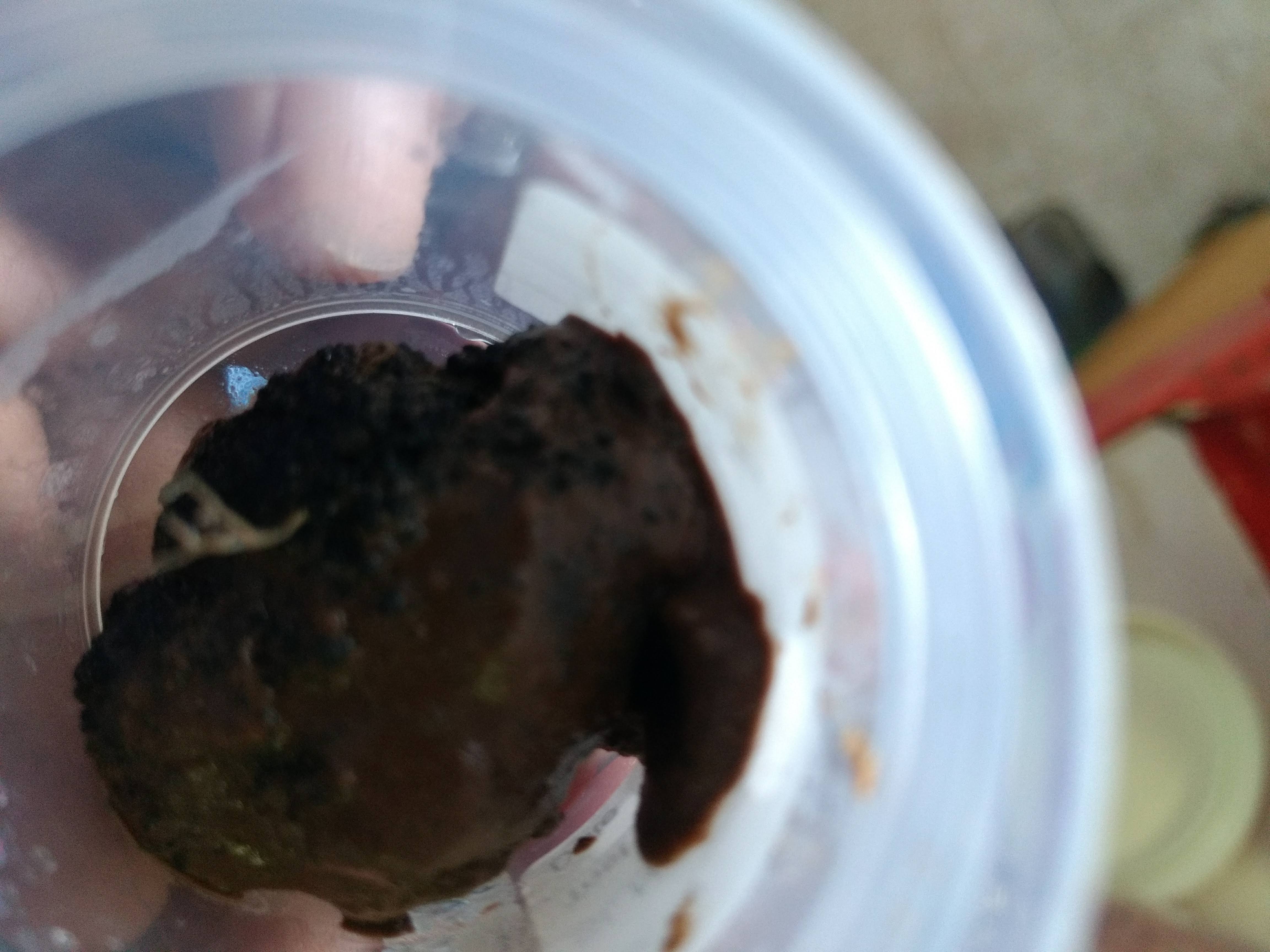
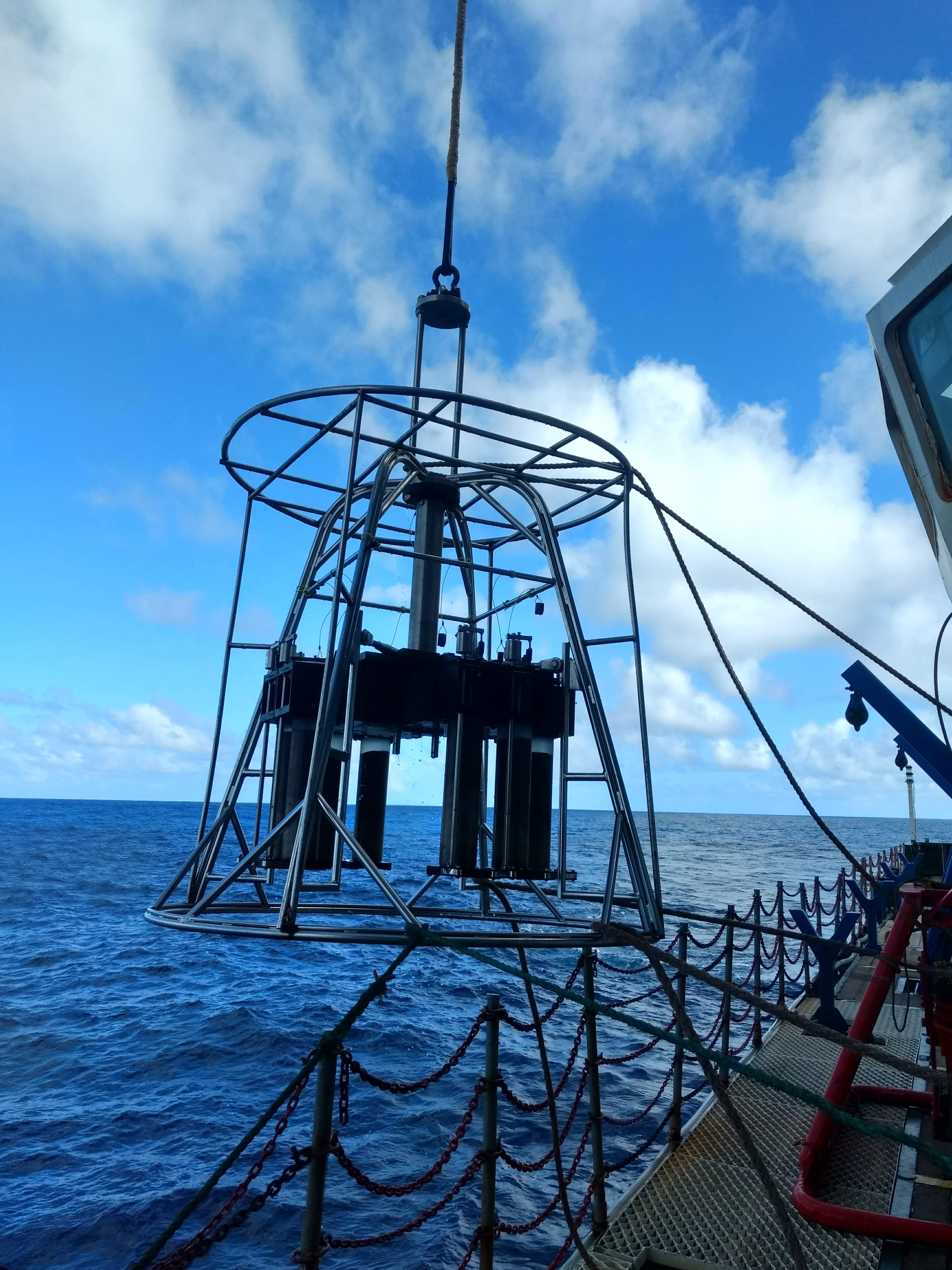
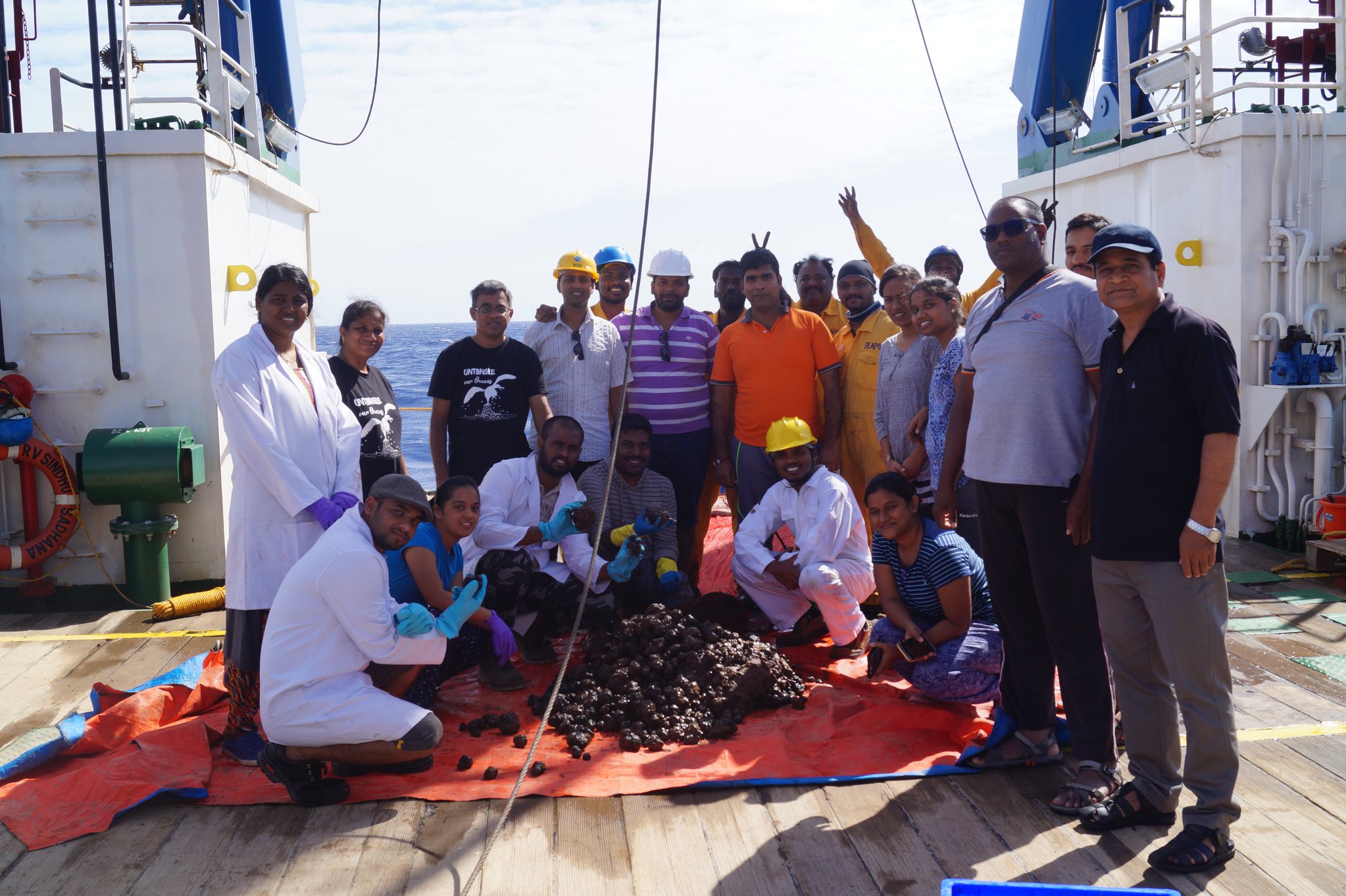
The deep and open oceans are home to a major part of the world’s biodiversity with the deep sea covering 65% of the earth’s surface and being the world’s largest ecosystem. These extreme environments are characterized by low oxygen supply, high pressure,low temperature and limited food supply. Diversity of ocean sediments and polymetallic nodules (PMN) from the Central Indian Ocean Basin (CIOB) is scarcely characterized and molecular studies are lacking. This knowledge is essential for learing the effect of mining on the bio fauna.Thus, in this work, I aminterested in the deep-sea biodiversity using eDNA metabarcoding of the V9 region of the 18S rRNA for eukaryotes, and 16S rRNA for microbes.
Relevant Publications
The first report on emerged microplastics in deep-sea sediment: Insights from the Central Indian Ocean Basin, 2024. Dineshram R, Akhil Biju, Chayanika Rathore, Mahua Saha, Prabhu K, Chandramohan P, Jojy J , Anil K B. Marine Pollution Bulletin.
Deep-sea Life associated with sediments and polymetallic nodules from the Central Indian Ocean Basin: Insights from 18S metabarcoding, 2025. *Dineshram Ramadoss, Aneesha Acharya, Bharath Subramanyam Ammanabrolu1, Jojy John and Baban Ingole. *Deep-Sea Research Part II*.
Image Gallery